Date:2026-07-10
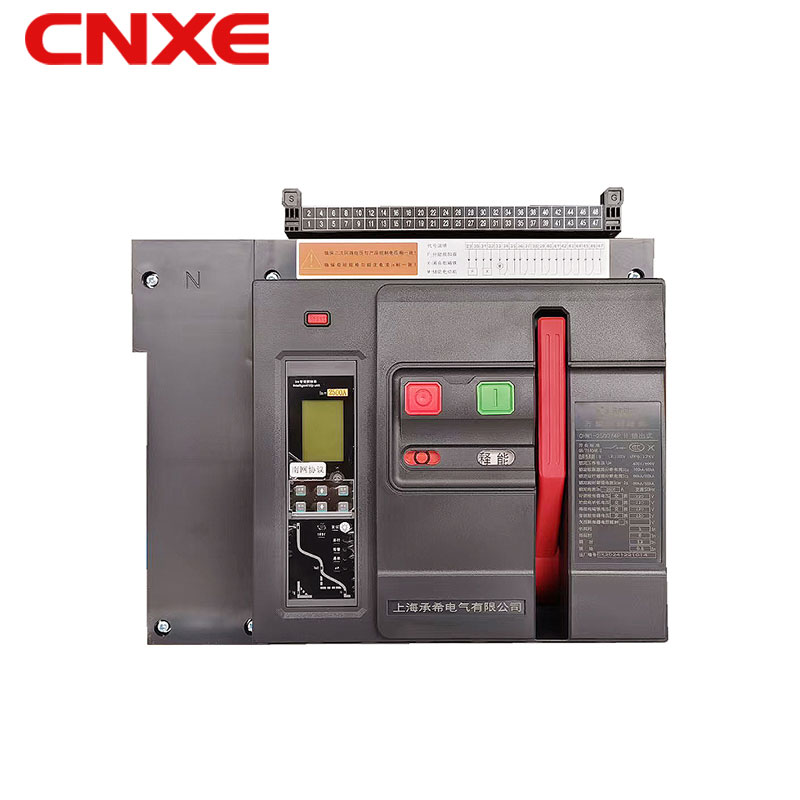
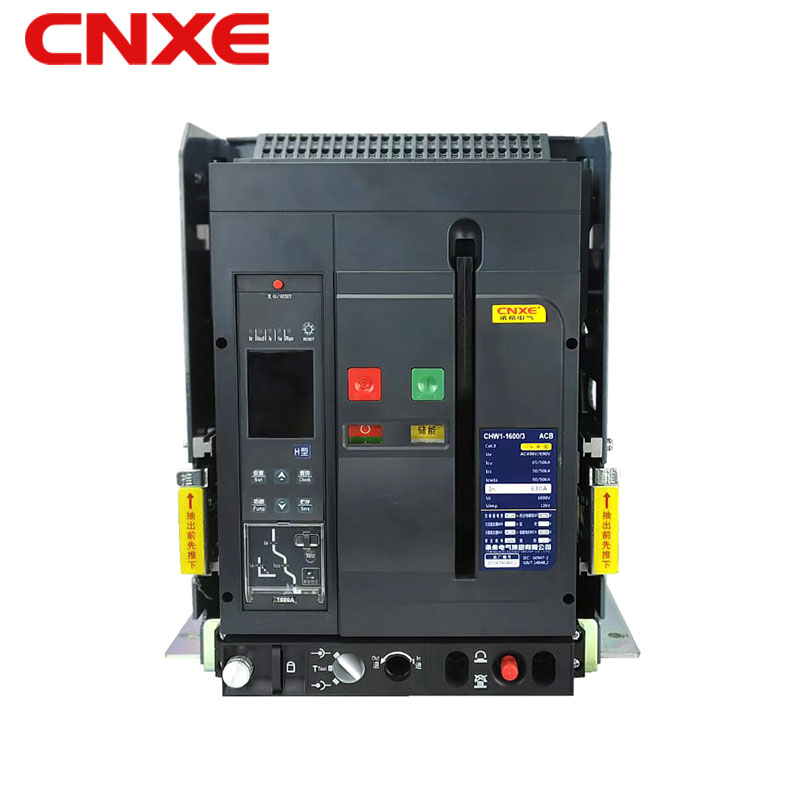
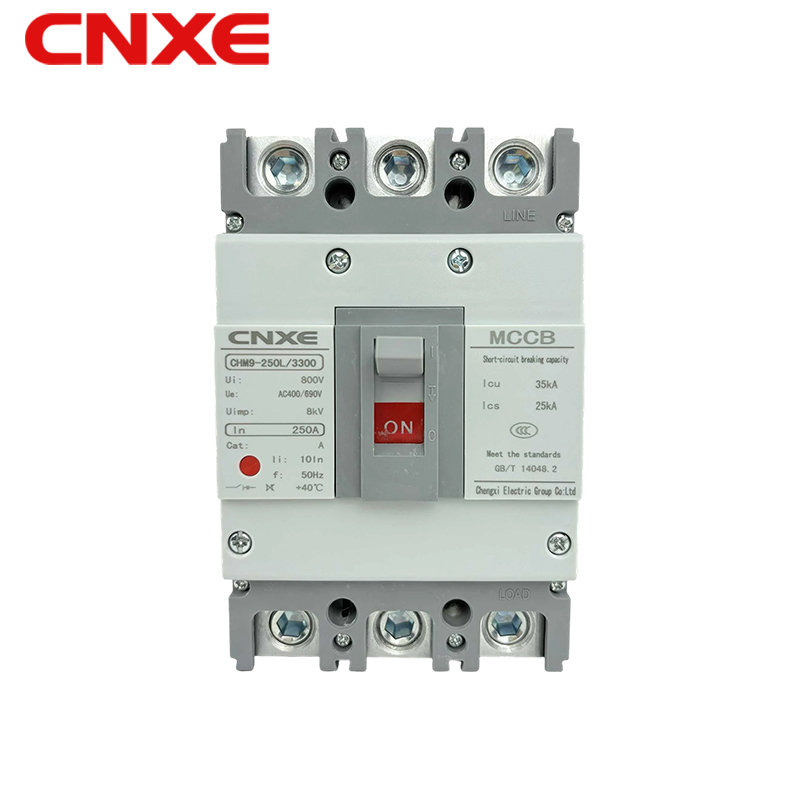
A interrupteur d'isolement haute et basse tension est installé dans les systèmes électriques où une séparation claire entre l'équipement et les sources d'alimentation est requise lors de la maintenance ou de l'inspection. Bien que l'appareil n'attire pas autant d'attention que d'autres composants électriques, il joue un rôle important dans la création de conditions de travail plus sûres pour les techniciens en électricité.
Dans les environnements de distribution d'énergie, les travaux de maintenance ont souvent été effectués par les opérateurs confirmant que des sections spécifiques d'un circuit ont été séparées. Le processus d'isolation dépend non seulement du fonctionnement de la commutation, mais également de la structure mécanique et de la conception de l'isolation de l'équipement.
L'équipement électrique doit être inspecté régulièrement après de longues périodes de fonctionnement.
Transformateurs.
Armoires de distribution.
Machines industrielles.
Systèmes de contrôle de puissance.
Lors de la maintenance, les techniciens doivent identifier si une section du circuit a été déconnectée de la source d'alimentation.
Un interrupteur d'isolement haute et basse tension fournit un point d'isolement visible, permettant aux opérateurs de confirmer l'état du circuit avant d'effectuer les travaux associés.
Cette fonction est particulièrement importante dans les environnements industriels où plusieurs appareils électriques peuvent fonctionner en même temps.
Les applications basse et haute tension ne sont pas confrontées exactement aux mêmes conditions de fonctionnement.
Les équipements basse tension sont utilisés dans les systèmes de distribution, les armoires de commande industrielles et les installations électriques commerciales.
Les équipements haute tension sont souvent connectés aux réseaux électriques plus importants et nécessitent une plus grande attention à la distance d'isolation et à la sécurité de fonctionnement.
En raison de ces différences, un interrupteur d'isolement haute et basse tension doit être conçu en fonction de différentes conditions électriques.
La structure, le système de contact et les composants d'isolation influencent tous l'adéquation du commutateur à des applications spécifiques.
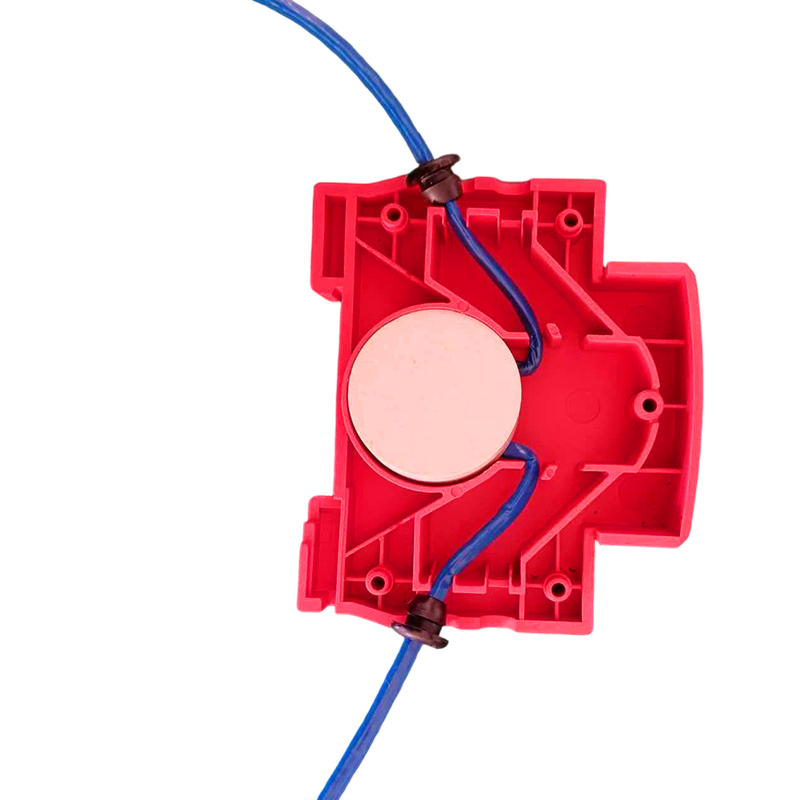
Un interrupteur d'isolement peut paraître simple de l'extérieur, mais sa structure interne contient plusieurs éléments importants.
Contacts.
Composants isolants.
Mécanismes de fonctionnement.
Cadres de soutien.
Ces composants fonctionnent ensemble lors des opérations de commutation.
En production, les fabricants doivent contrôler la précision de l’assemblage et l’adéquation des composants.
Une petite différence dans l'alignement des contacts ou le mouvement mécanique peut affecter l'expérience de fonctionnement après l'installation.
Pour cette raison, la fabrication d’équipements électriques se concentre souvent sur une inspection détaillée au cours du processus de production.
Les performances des équipements électriques dépendent de nombreuses étapes de production.
Sélection des matériaux.
Traitement des composants.
Assemblée.
Tests électriques.
Pour un interrupteur d'isolement haute et basse tension, les fabricants prêtent généralement attention à la conductivité des contacts, aux performances d'isolation et au fonctionnement mécanique pendant la production.
inspection des composants
vérification de l'assemblage
essai d'isolement
vérification du fonctionnement
Ces processus permettent de garantir que les produits finis peuvent répondre aux exigences des différents environnements électriques.
Les réseaux électriques modernes comprennent de nombreux appareils connectés.
Lorsqu'une pièce nécessite une maintenance, d'autres pièces peuvent continuer à fonctionner.
Cela crée le besoin de méthodes d’isolement efficaces.
Un interrupteur d'isolement approprié permet de séparer la zone de maintenance des sections électriques actives tout en gardant l'agencement global du système organisé.
Pour les ingénieurs et les équipes de maintenance, une séparation claire des circuits peut simplifier les procédures d’inspection et réduire les risques opérationnels inutiles.
Les fournisseurs d’équipements électriques améliorent souvent leurs produits en fonction d’applications pratiques.
Conditions de pose.
Fréquence de fonctionnement.
Exigences d'entretien.
Facteurs environnementaux.
Les retours d’expérience de projets réels fournissent aux fabricants à comprendre les défis rencontrés par les utilisateurs.
A interrupteur d'isolement haute et basse tension n’est pas développé uniquement à travers une conception théorique. Sa structure et ses performances sont influencées par des années d'expérience dans différentes situations de distribution d'énergie.
Le rôle d'un interrupteur d'isolement haute et basse tension est étroitement lié au fonctionnement quotidien des systèmes électriques.
Il fournit un point de connexion entre le fonctionnement de l’équipement et les exigences de maintenance.
Derrière la simple action de commutation se cachent des considérations liées à l’isolation, à la résistance mécanique, à la précision de fabrication et à l’application pratique.
À mesure que les systèmes électriques continuent de se développer, les équipements d’isolation restent un élément important de la gestion de la sécurité électrique. Pour les fabricants, l'amélioration de la conception des produits et du contrôle de la production permet de créer des équipements qui répondent aux besoins des différents environnements de distribution d'énergie.
 L'entreprise prend comme objectif de fournir des produits électriques de haute qualité et un service client parfait
philosophie d'entreprise. Il ne répond pas seulement à vos besoins avec des produits électriques exquis et de première classe,
mais dispose également d'un système de service après-vente sincère et parfait pour garantir votre utilisation.
L'entreprise prend comme objectif de fournir des produits électriques de haute qualité et un service client parfait
philosophie d'entreprise. Il ne répond pas seulement à vos besoins avec des produits électriques exquis et de première classe,
mais dispose également d'un système de service après-vente sincère et parfait pour garantir votre utilisation.
Contactez-Nous
 +86-18067486879
 [email protected]
 281 Wei 15th Road, Yueqing Economic Development Zone, Zhejiang, China
Droit d'auteur © Chengxi Electric Group Co., Ltd. Tous droits réservés
Réservé





 English
  Français
  中文简体
中文简体  русский
  Español
  عربى
عربى